By Gastronaut
Breakfast Easy
Perfect Soft-Boiled Eggs
Master the art of cooking soft-boiled eggs with a runny yolk and perfectly set whites. A simple technique that elevates your breakfast game.
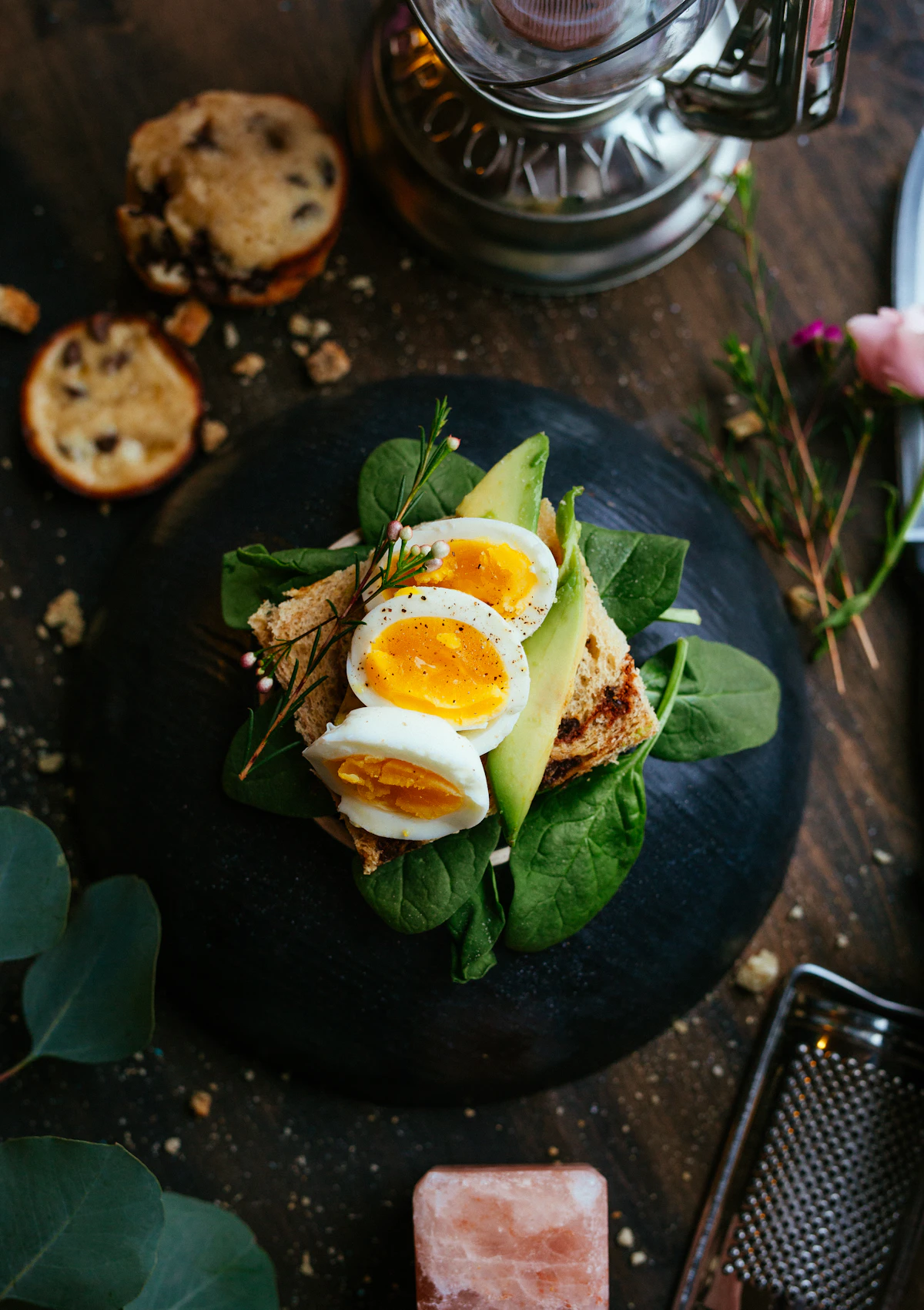
The Perfect Soft-Boiled Egg
A soft-boiled egg is a thing of beauty – with its creamy, golden yolk that oozes out when you break into it, and whites that are just set enough to hold everything together. It’s the kind of simple cooking that requires precision and attention to detail.
“To make an omelette you have to break a few eggs.” - Traditional Proverb
Why Room Temperature Eggs?
Starting with room temperature eggs is crucial. Cold eggs added to boiling water are more likely to crack from the thermal shock. Plus, starting at room temperature means more consistent cooking times.
The Science of the Perfect Yolk
The difference between a runny yolk and a hard-boiled egg is a matter of seconds and temperature control.
- 6 Minutes: Very runny yolk, barely set whites.
- 6.5 Minutes: The “Jammy” egg – custard-like yolk, set whites.
- 7 Minutes: Fully set whites, creamy yolk.
- 8 Minutes: Hard-boiled but still soft.

Tips for Success
- Use a timer – Even 30 seconds can make the difference between runny and jammy.
- Ice bath is essential – Stops the cooking immediately and makes peeling easier.
- Fresh eggs are trickier to peel – If you can, use eggs that are at least a week old.
Serving Suggestions
Soft-boiled eggs are versatile. Here are my favorite ways to eat them:
- Classic: With buttered toast soldiers for dipping.
- Ramen: Marinate them in soy sauce and mirin for a ramen topping.
- Avocado Toast: Sliced on top of sourdough with chili flakes.
- Salad: Halved over a bed of arugula and vinaigrette.
Enjoy your perfectly soft-boiled eggs!